

Slip Disc (Herniated Disc): Causes, Symptoms, Treatment & Recovery
A slip disc, also known as a herniated disc or prolapsed intervertebral disc (PIVD), is one of the most common causes of neck pain, back pain, and sciatica. It occurs when the soft inner portion of a spinal disc bulges or leaks out, compressing nearby nerves.
With early diagnosis and proper treatment, most slip disc cases can be managed without surgery.
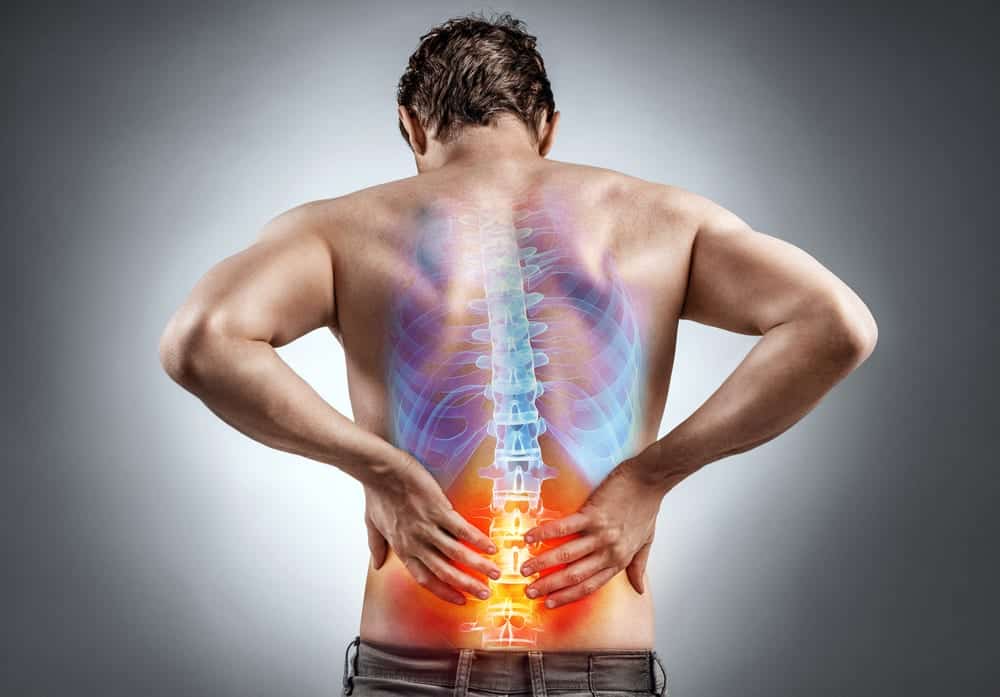
What Is a Slip Disc?
The spine has soft cushions called intervertebral discs between the vertebrae.
A slip disc happens when:
- The outer disc layer weakens or tears
- The inner gel-like material protrudes
- Nearby nerves get compressed
👉 Internal Links:
Back Pain Causes & Treatment
Types of Slip Disc
- Cervical Slip Disc (neck)
- Thoracic Slip Disc (mid-back – rare)
- Lumbar Slip Disc (lower back – most common)
Causes & Risk Factors
- Poor posture
- Prolonged sitting / desk job
- Heavy lifting
- Sudden twisting movements
- Obesity
- Smoking
- Aging and disc degeneration
Common Symptoms of Slip Disc
Cervical Slip Disc
- Neck pain
- Shoulder & arm pain
- Tingling or numbness in hands
- Weak grip strength
Lumbar Slip Disc
- Lower back pain
- Pain radiating to buttocks or leg (sciatica)
- Numbness or weakness in leg or foot
- Difficulty standing or walking
⚠️ Emergency Symptoms (Seek Immediate Care):
- Loss of bladder or bowel control
- Progressive leg weakness
Diagnosis of Slip Disc
- Detailed clinical examination
- MRI spine (Gold Standard)
- X-ray (supportive)
- Nerve conduction studies (if needed)
Treatment of Slip Disc (Non-Surgical First)
1. Conservative Treatment
Most patients recover with:
- Pain relief medications
- Muscle relaxants
- Physiotherapy
- Activity modification
- Posture correction
👉 Read Suggestion:
Physiotherapy at Home
2. Interventional Pain Management
If pain persists beyond 4–6 weeks:
- Epidural steroid injections
- Nerve root blocks
- Facet joint injections
These reduce inflammation and nerve compression.
3. Surgical Treatment (Only 5–10%)
Surgery is considered when:
- Severe nerve compression
- Progressive neurological deficit
- Failure of conservative therapy
Role of Physiotherapy & Exercises
Physiotherapy is crucial in recovery:
- Core strengthening
- Spinal stabilization exercises
- Stretching
- Ergonomic correction
👉 More Reads :
Home Care & Prevention
- Avoid prolonged sitting
- Maintain ideal body weight
- Use lumbar support
- Practice daily stretching
- Quit smoking
Recovery Timeline
- Mild cases: 2–4 weeks
- Moderate cases: 6–8 weeks
- Severe cases: may need injections or surgery
Early care prevents chronic pain and disability.
Asclep Health – Slip Disc Care at Home
✔ Doctor at home
✔ Physiotherapy at home
✔ Pain management injections
✔ Spine specialist consultation
✔ Gurgaon-based rapid response
📞 9355935539
Social Impact Model 🌱
For every paid consultation, Asclep Health provides one free medical consultation to an underprivileged patient, helping prevent disability due to untreated spine conditions.
Frequently Asked Questions (FAQs)
Q1. Can slip disc heal on its own?
Yes, most cases improve with conservative treatment.
Q2. Is surgery always required?
No, 90% of cases do not require surgery.
Q3. Is bed rest good for slip disc?
Short rest helps, but prolonged bed rest worsens recovery.
Q4. Can physiotherapy worsen slip disc?
When guided by professionals, physiotherapy is safe and beneficial.
Q5. Can slip disc cause permanent nerve damage?
Rarely, if left untreated for long periods.