

PCOS (Polycystic Ovary Syndrome): A Complete Guide for Women
Polycystic Ovary Syndrome (PCOS) is one of the most common hormonal disorders affecting women of reproductive age. It can cause irregular periods, weight gain, acne, unwanted hair growth, fertility issues, and long-term metabolic problems if not managed properly. Understanding PCOS early can help prevent complications and improve quality of life.
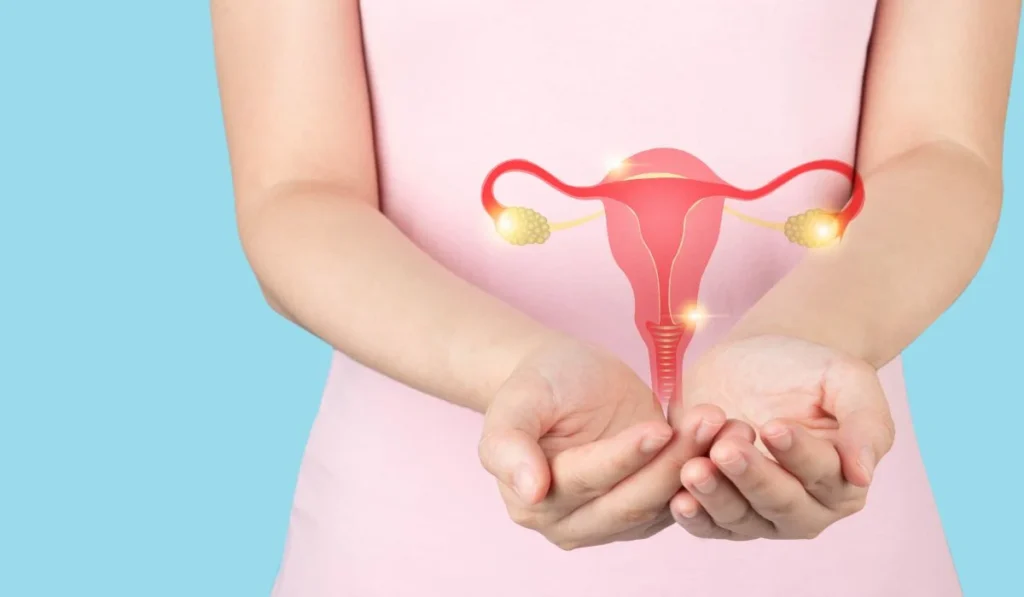
What Is PCOS?
PCOS is a hormonal imbalance where the ovaries produce excess androgens (male hormones). This disrupts normal ovulation and can lead to:
- Irregular or absent periods
- Multiple small cysts on the ovaries
- Difficulty conceiving
- Metabolic changes such as insulin resistance
Important: Not all women with PCOS have cysts, and not all ovarian cysts mean PCOS.
Common Symptoms of PCOS
PCOS symptoms vary, but the most common include:
1. Menstrual Irregularities
- Delayed periods
- Missing periods (oligomenorrhea)
- Heavy bleeding
2. Excess Hair Growth
- Face, chest, abdomen, back (hirsutism)
3. Acne & Oily Skin
4. Weight Gain or Difficulty Losing Weight
5. Scalp Hair Thinning (Female Pattern Hair Loss)
6. Infertility
Due to irregular or absent ovulation.
7. Darkening of Skin Folds
(Acanthosis nigricans) around neck, underarms, groin.
What Causes PCOS?
While the exact cause is still unknown, research suggests:
Hormonal Imbalance
High androgens disrupt ovulation.
Insulin Resistance
The body doesn’t respond effectively to insulin, increasing androgen production.
Genetic Predisposition
Runs in families.
Lifestyle & Environmental Factors
Diet, stress, and obesity worsen symptoms.
How PCOS Is Diagnosed
Doctors use three main criteria (Rotterdam criteria):
- Irregular or absent periods
- High androgen levels (test or symptoms)
- Multiple small follicles on ultrasound
Diagnosis requires any two of these.
How Is PCOS Treated?
There is no permanent cure, but PCOS can be effectively managed.
1. Lifestyle Modifications
- Weight management
- Low-carb, high-protein diet
- Regular exercise
- Sleep regulation
2. Medications
- Metformin for insulin resistance
- OCPs (Birth control pills) to regulate cycles
- Anti-androgens for hair & acne
- Ovulation induction (letrozole/clomiphene) for fertility
3. Fertility Treatment (if needed)
- Ovulation medications
- IVF in severe cases
4. Treating Cosmetic Concerns
- Laser hair reduction
- Acne treatment
- PRP/medical therapy for hair loss
Long-Term Complications of Untreated PCOS
- Infertility
- Type 2 diabetes
- High cholesterol
- High blood pressure
- Sleep apnea
- Endometrial cancer
- Depression & anxiety
Diet Tips for PCOS
- Reduce sugar & refined carbs
- Increase fiber (vegetables, fruits, whole grains)
- Choose lean protein (eggs, chicken, paneer, dal)
- Add omega-3 rich food (nuts, seeds, fish)
- Avoid packaged foods, bakery items, fried food
When Should You See a Doctor?
- Irregular periods for >3 months
- Difficulty conceiving
- Rapid weight gain
- Excessive facial hair or hair fall
- Severe acne
Early management can prevent metabolic and fertility complications.
Helpful Reference Links
(Authoritative medical sources)
- Mayo Clinic – PCOS Overview
https://www.mayoclinic.org/diseases-conditions/pcos - Cleveland Clinic – PCOS Causes & Treatment
https://my.clevelandclinic.org/health/diseases/8316-pcos - NICHD – PCOS Research
https://www.nichd.nih.gov/health/topics/pcos
Frequently Asked Questions (FAQ)
1. Can PCOS be cured permanently?
No. PCOS cannot be cured but can be controlled with lifestyle changes and medical treatment.
2. Can I get pregnant if I have PCOS?
Yes. Many women with PCOS conceive naturally or with minimal treatment.
3. Is PCOS genetic?
There is a strong genetic component. It often runs in families.
4. Does weight loss help PCOS?
Even a 5–10% weight loss can improve periods, ovulation, and metabolic health.
5. Can thin women have PCOS?
Yes, “lean PCOS” exists and requires proper medical evaluation.